
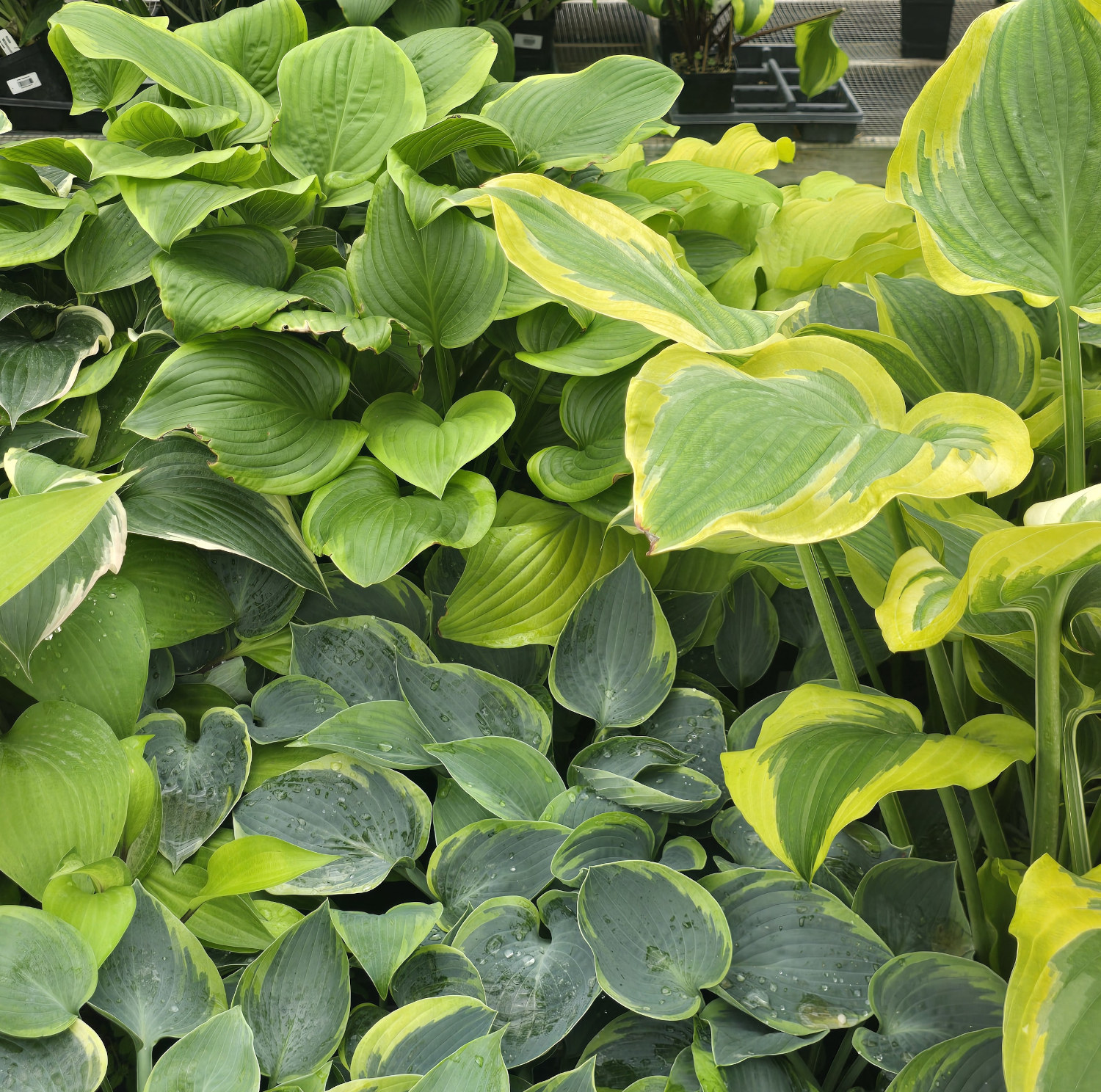
If you garden in Iowa…or other areas of the Midwest…you may be experiencing the same thing we are here at In The Country: the skies opened up in August and the rain just keeps coming! By now, the hostas are fading, flopping, and settling into their end‑of‑season look, so it’s natural to wonder whether all this rain is actually doing them any good.
This stretch of late‑season wet weather is actually one of the best things that can happen for your hostas. Even though the tops are winding down, the plants are busy below the surface, and the timing of this rainfall couldn’t be better.
What All This Rain Is Doing Underground
Powering the Late‑Season Root Push
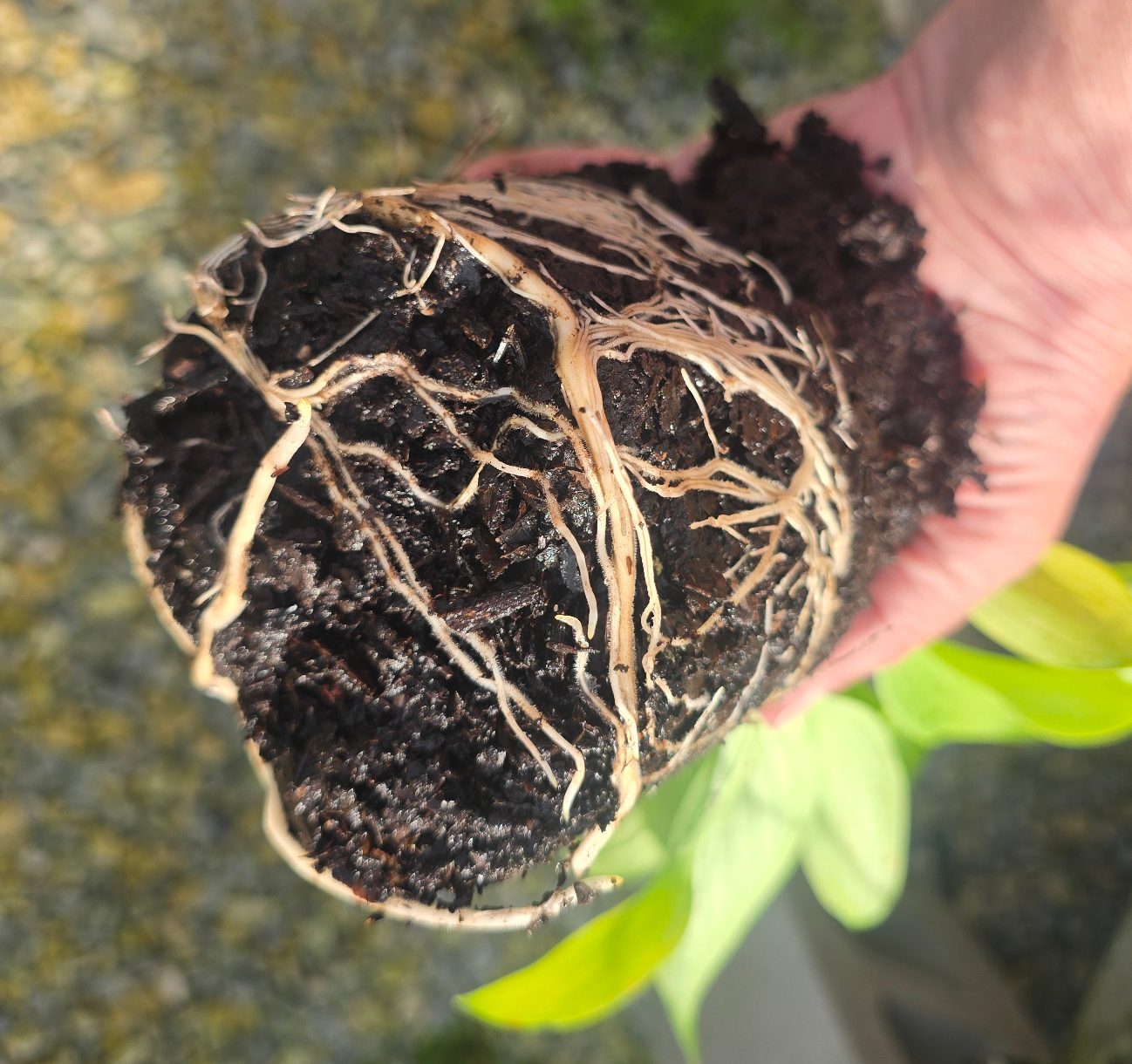
Hostas don’t stop working when their leaves start to look tired. In fact, late summer and early fall are prime time for root growth. Moist soil encourages the plant to send out lots of new roots which are critical for nutrient uptake and anchoring the crown.
This is also when hostas pack carbohydrates (plant food) into next year’s buds (“eyes”). Moisture doesn’t literally inflate the buds, but it keeps the root system active so the plant can store energy for spring. Plants cannot absorb or utilize nutrients without water to carry those nutrients. Bigger, better‑fed eyes now mean bigger, stronger hostas next spring.
Reducing Freeze–Thaw Stress (As Long as Soil Drains Well)
Moist soil acts as a temperature buffer going into winter. Dry soil can contract and leave air pockets around the crown, which can worsen freeze–thaw damage. When the soil has steady moisture, it freezes more evenly and helps keep the crown protected.
The key is drainage. In well‑drained beds, this fall rain is a blessing. In heavy clay or low spots that stay soggy, too much moisture can increase the risk of crown rot once winter sets in. Most Midwest gardens fall somewhere in between, but it’s worth keeping an eye on trouble spots.
Giving Hostas Under Trees a Much‑Needed Boost
If you grow hostas under maples or other mature trees, you already know the struggle: tree roots steal water all season, and the canopy blocks light rain from ever reaching the soil. By late summer, hostas in these areas are often running on fumes.
Soaking rains…like the ones we’ve been getting…finally break through that canopy and saturate the soil deeply enough to reach those poor hostas. This late‑season recharge helps the plants recover from months of competition and go into dormancy with a full tank.
Fall Hosta Care: What to Do Next
Delay Cutting Back Until a Hard Freeze
Let the foliage yellow and collapse naturally. As long as the leaves are still attached and not fully dead, they’re still sending carbohydrates down to the crown. Cutting too early interrupts that process. Waiting also avoids spreading sap‑borne viruses like HVX through tools.
Clean Up After the Tops Fully Die
Once a hard freeze has flattened the foliage, cut it back to about an inch above the soil and remove the debris. This simple cleanup step reduces overwintering pests (especially slugs and voles) and fungal issues. Cleanup can be done when it works best for you, though, so feel free to choose a time that fits your schedule.
Mulch, but Don’t Smother the Crown
A light 1–2 inch layer of shredded bark or hardwood mulch helps prevent frost heaving and keeps soil temperatures steadier. You don’t need to wait for the ground to freeze; just keep mulch pulled back from the crown itself so moisture doesn’t sit directly against it.
Divide or Transplant While the Soil Is Moist
If you’ve been meaning to move or divide a clump, fall is a great time…especially in a year like this. Moist soil reduces transplant shock and gives roots a chance to settle in before winter. Again, drainage matters: avoid relocating hostas into spots that stay wet.
The Bottom Line
For most Iowa and Midwest gardens, this late‑summer and early‑fall rain is a gift. Hostas use this window to build roots, store energy, and settle in for winter. As long as your soil drains reasonably well, the moisture we’ve been getting will pay off in bigger, fuller, stronger hostas next spring.
Leave a Reply